A successful residential construction project involves far more than putting foundations in the ground and watching the walls take shape. Every stage needs to be carefully considered, from the initial site assessment and structural design through to the materials, trades and project management that bring everything together. Decisions made early in the process can have a significant influence on the quality, cost and longevity of the finished property.
Making The Most Of The Site
Before construction begins, it’s important to understand the opportunities and limitations of the site itself. Ground conditions, drainage, access, neighbouring properties and the surrounding landscape can all influence how a development should be approached.
For example, a sloping plot may require additional groundwork or retaining structures, while restricted access could affect the delivery of materials and the movement of machinery. Identifying these challenges early helps avoid unnecessary delays and unexpected costs once work is underway.
The design also needs to make practical use of the available space. Natural light, room proportions, orientation and access to outdoor areas should all be considered alongside the technical requirements of the build.
Why Construction Quality Matters
The structural elements of a property are not always visible once the project is complete, but they are among the most important. Foundations, load-bearing walls, roof structures and insulation all contribute to the building’s long-term performance.
Using appropriate materials and experienced tradespeople helps ensure that each element is installed correctly and meets the required building regulations. Cutting corners at this stage can create problems that are expensive and disruptive to resolve later.
Attention should also be given to areas such as:
- Insulation and airtightness: Helping maintain comfortable indoor temperatures and reduce energy consumption.
- Windows and doors: Choosing suitable products that provide security, durability and thermal efficiency.
- Roofing and drainage: Protecting the property against water ingress and weather damage.
- Electrical and plumbing installations: Ensuring essential services are properly planned and positioned.
Keeping The Project On Track
Residential construction involves multiple trades, suppliers and contractors, often working to carefully coordinated schedules. Good project management is essential to keep everything moving in the right direction.
Regular site inspections, clear communication and realistic scheduling help identify potential issues before they affect subsequent stages of the work. Material availability, weather conditions and changes to specifications can all influence progress, so having a structured approach to managing these variables is important.
Ultimately, a well-executed build is about getting the fundamentals right. Investing time in planning, choosing suitable materials and maintaining high construction standards creates a property that not only looks impressive when completed but is also built to perform well for many years.
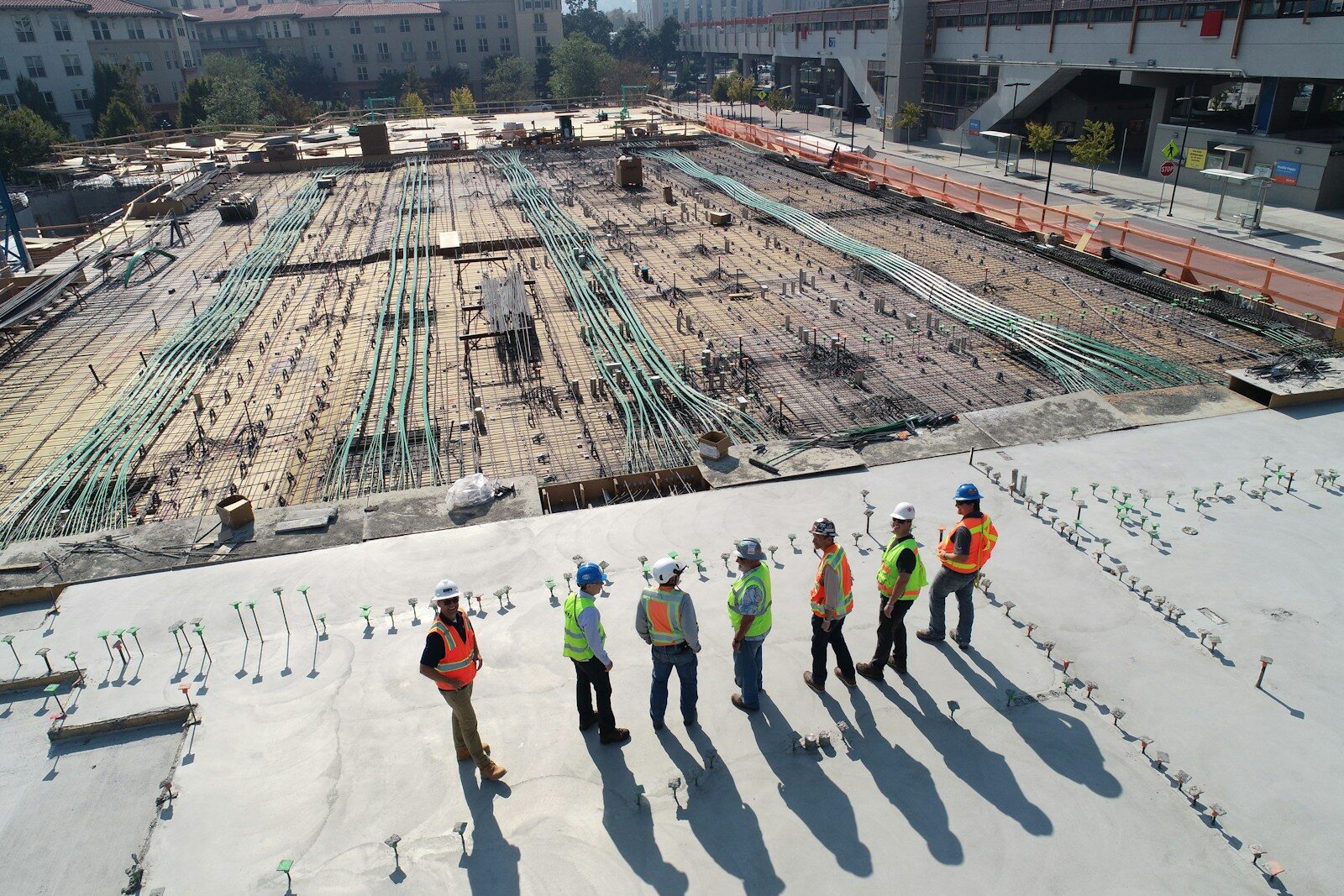
Photo by Scott Blake.