A newly constructed property can have all the right foundations, a well-designed layout and excellent structural specifications, but it is often the finishing work that brings everything together. From the flooring and wall treatments to the lighting, joinery and final fixtures, these details influence how a house looks, feels and functions once its occupants move in.
Finishing a residential property isn’t simply about choosing attractive colours and materials. It involves creating a consistent look throughout the home while ensuring that every room is practical, comfortable and suited to the people who will live there.
Choosing Materials That Work Together
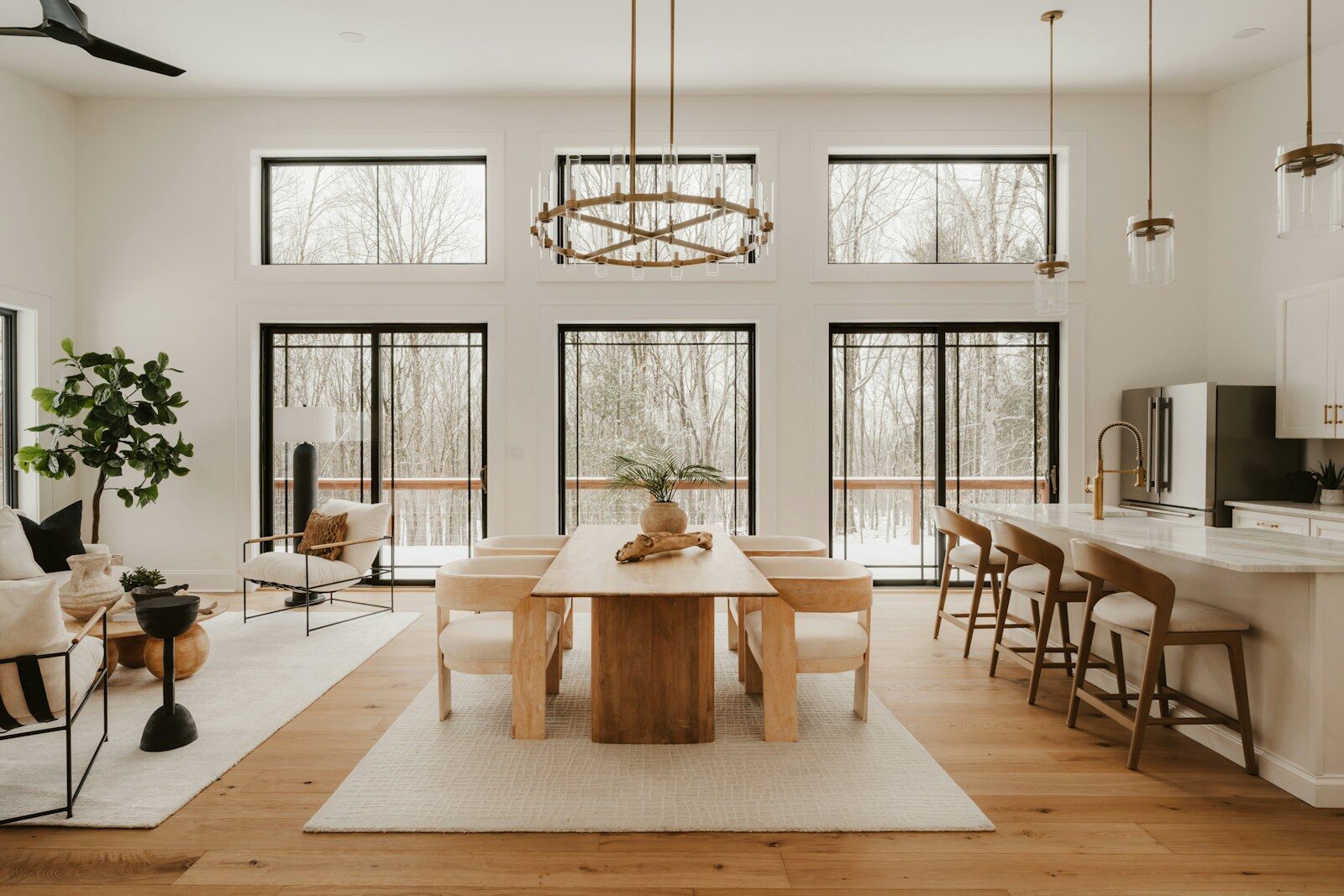
Flooring, worktops, tiles and wall finishes all contribute to the overall character of a property. While individual choices might look appealing in isolation, they need to complement one another to create a cohesive interior.
For example, natural timber flooring can introduce warmth into an otherwise contemporary space, while stone-effect tiles offer a practical option for kitchens, bathrooms and entrance areas. The key is to balance appearance with durability, particularly in rooms that experience regular foot traffic or moisture.
It’s also worth considering how materials will age. Finishes that look immaculate on completion should ideally remain attractive and manageable with everyday use.
Lighting Can Change The Whole Feel Of A Room
Lighting is one of the most effective ways to influence the atmosphere and usability of an interior. A combination of natural light, ceiling fittings, wall lights and task lighting allows different areas to serve their intended purpose without feeling overly bright or poorly illuminated.
In an open-plan kitchen and living area, for instance, pendant lighting above an island can help define the cooking space, while softer lighting in the seating area creates a more relaxed environment.
Good lighting design should be considered before the final stages of construction, as electrical positions, switches and fittings need to be properly coordinated.
The Importance Of Joinery And Detail
Skirting boards, architraves, internal doors, staircases and fitted storage might seem like relatively small elements, but they have a considerable influence on the finished appearance of a property.
Well-fitted joinery creates clean lines and a sense of consistency between rooms. Built-in wardrobes, alcove shelving and carefully planned kitchen storage can also make better use of available space, particularly in smaller homes.
Other details worth considering include:
- Coordinated door handles and ironmongery.
- Neatly finished window reveals and internal window boards.
- Quality bathroom fittings and carefully applied tile finishes.
- Well-positioned sockets, switches and heating controls.
- Thoughtful paint colours that work with the natural light in each room.
Getting The Final Inspection Right
Before a property is handed over, the finishing stage should include a thorough inspection of the completed work. Small imperfections can be easy to overlook when several trades have been working across the same rooms, but addressing them before handover makes a real difference.
Paintwork, sealant, grouting, flooring, doors and fixtures should all be checked, alongside the operation of electrical fittings, plumbing and heating systems. Any outstanding snagging items should be recorded and resolved.
A successful residential project is about more than meeting the original construction specification. It’s about delivering a home where the practical elements work as they should and the finishing details have received the same attention as the structural work. When everything comes together, the result is a property that feels complete from the moment its new owners walk through the door.
Photo by Clay Banks.