When people talk about industrial buildings, they usually mean what happens inside: goods moving, machinery running, staff keeping everything on schedule. The outer shell rarely gets much attention unless something goes wrong. Yet the condition of a factory, warehouse or distribution unit can quietly affect energy bills, staff comfort and even how a business looks from the road.
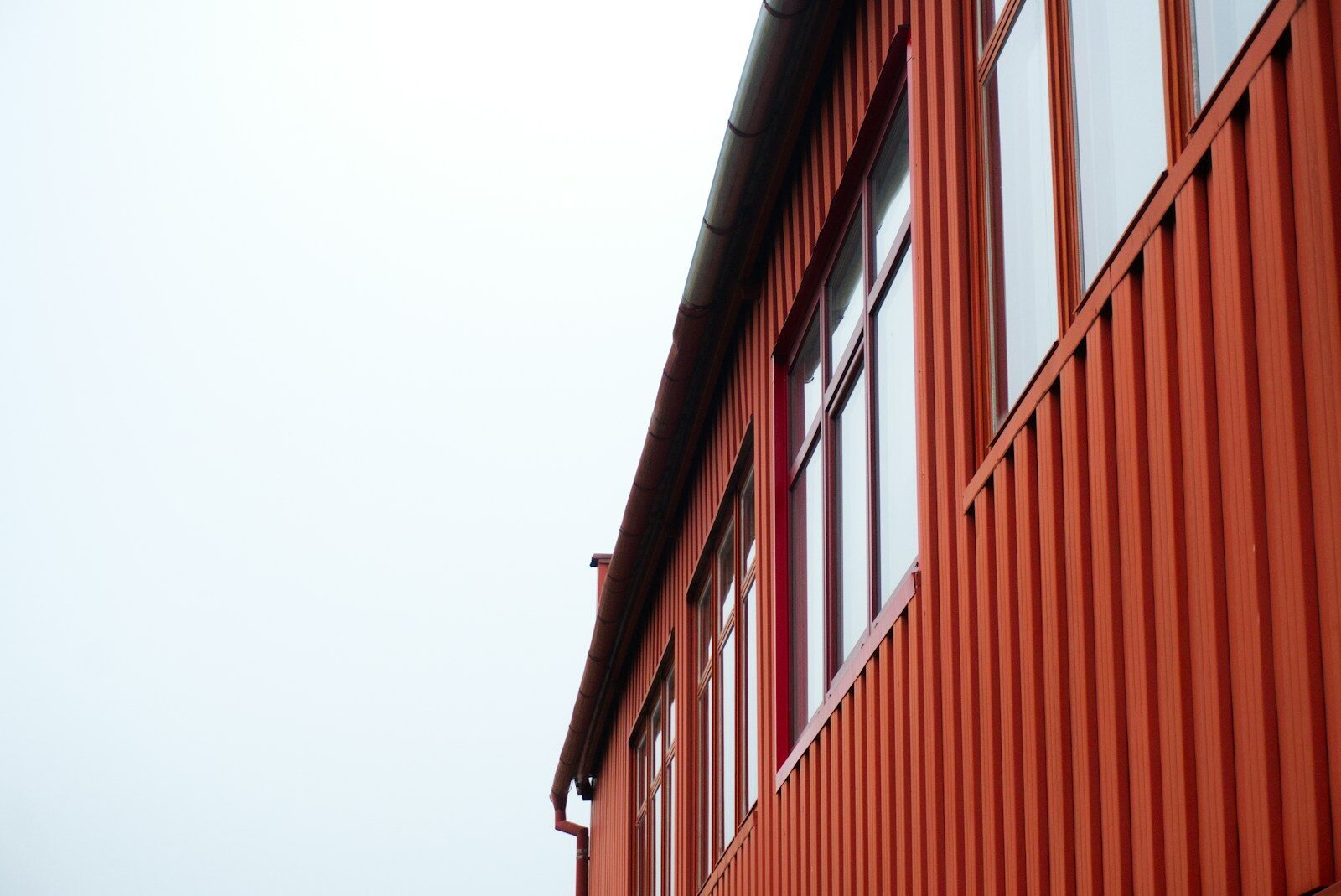
There has been a subtle shift in how owners view these spaces. Instead of treating the exterior as a purely functional wrapper, more firms now recognise that walls and rooflines affect day-to-day performance. A tired building can suggest neglect, while a well-maintained one often signals competence before anyone walks through the door. In practical terms, the right envelope can reduce draughts, keep out the weather and make internal conditions steadier through the seasons.
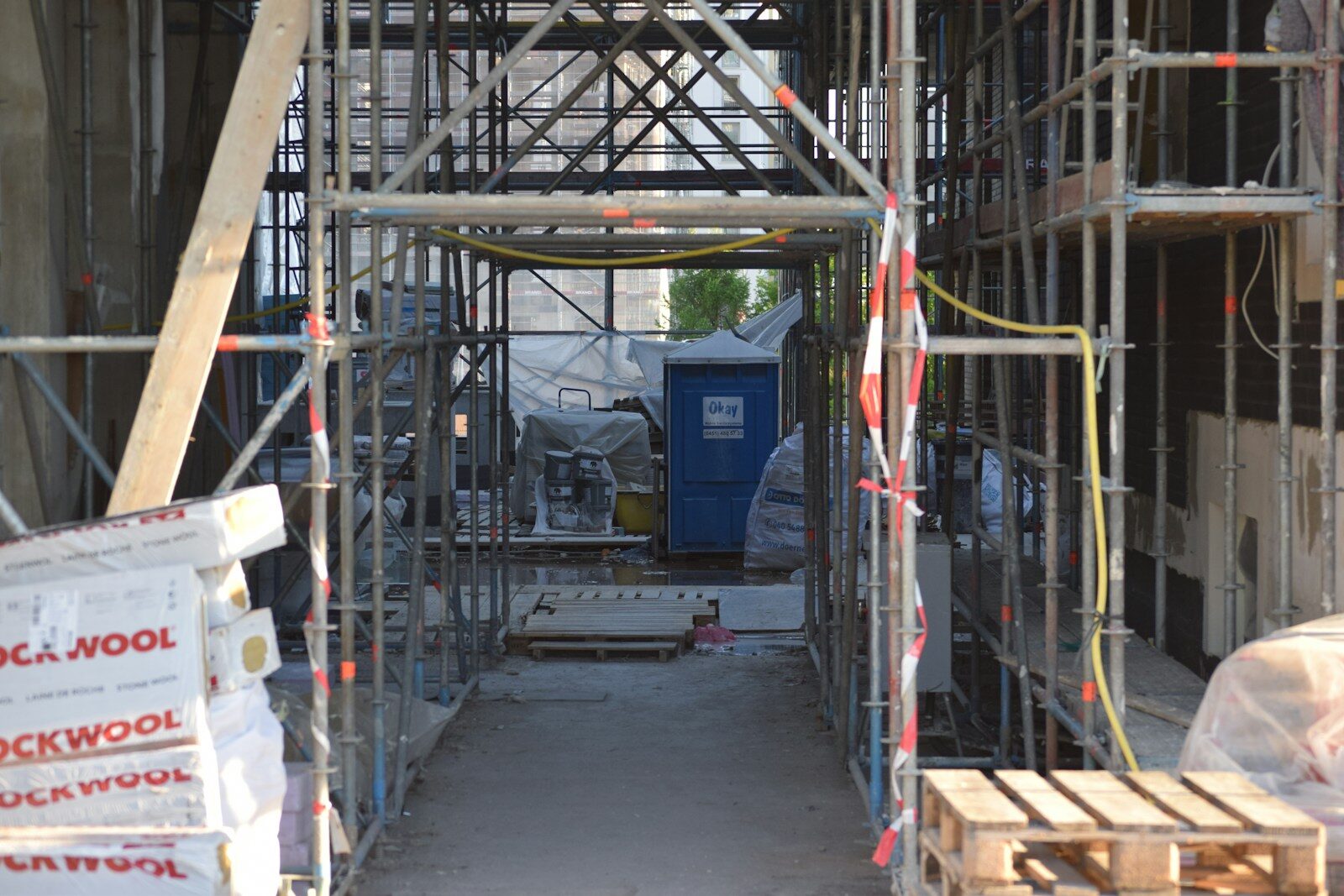
That is partly why interest in industrial cladding installation keeps coming up in wider conversations about upgrading older sites. It is not just about giving a building a cleaner finish. In many cases, it forms part of a broader effort to modernise stock built for another era, when energy efficiency, acoustic control and appearance carried less weight than they do now.
More than a cosmetic decision
For many industrial estates across Britain, the issue is tied to age. Buildings from the 1970s and 1980s are still doing useful work, but they often show it. Refurbishment decisions now tend to balance several concerns at once:
- running costs
- workplace comfort
- weather resilience
- the visual standard expected by tenants and clients
Seen in that light, the building exterior becomes less of a background detail and more of a practical asset. It may not be glamorous, but at a time of tighter margins and higher expectations, the skin of a working building matters more than it once did.
Photo by Jan Kotlík.